



Rolex's Second Price Increase of 2026 Hits Gold References

Rolex implemented a second price increase for 2026 on June 1, and this one landed only on gold models. Solid gold references rose about 5% on average while steel was left where it was. The yellow gold Day-Date 36, the quintessential Rolex President, went from $43,700 to $45,900. The brand new Yacht-Master II ref. 126688 went from $57,800 to $60,700.The full yellow gold Submariner Date rose to $50,900, up from $48,600 in January.
The gold Submariner is the interesting case here. It's one of the softer propositions in the current lineup: even at the new $50,900 retail, brand-new, fully stickered examples of the yellow gold Submariner Date trade in the mid-$40,000s on the secondary market. A solid gold sport watch on a gold bracelet is a hard sell for a lot of buyers, and the secondary market reflects it. For example, the full yellow gold GMT-Master II 126718GRNR retails for $48,400 but sells new/unworn for around $45,000. For whatever reason, Rolex didn’t move the full yellow gold GMT’s MSRP in this round of increases, but increased the Submariner’s. Rolex is clearly pricing models to the cost of the metal, but shifting demand has to be a consideration as well.
Rolex Usually Raises Prices Once a Year

The Rolex Yacht-Master II ref. 126688, released just this April, went from $57,800 to $60,700 in this round of increases.
Rolex adjusts its retail prices almost every January and has for about the last seven years running, updating the figures on Rolex.com and in authorized dealers' systems at the start of the year. This past January went the usual way, an average increase around 7% that leaned heavily on gold. We covered that round when it landed.
A second increase in the same calendar year isn’t unheard of. After the January increase in 2025, Rolex increased prices in May to get ahead of a threatened 39% US tariff on Swiss watches. The fact that this year’s second increase spared steel and hit only gold points straight at the metal.
Why Gold, and Rolex's Foundry Advantage

Image Source: Rolex
The driver is the price of gold, which has been reshaping luxury pricing well beyond watches. Gold started 2024 near $2,000 an ounce, climbed roughly 55% across 2025, and crossed $4,000 for the first time that October. It set an all-time high this past January at just under $5,600 before pulling back toward $4,300, which still leaves it nearly double where it sat two years ago.

Image Source: Rolex
Where most watchmakers buy gold components as finished stock from outside suppliers, Rolex makes its own. The company casts, alloys, and recycles gold at an in-house foundry at its Plan-les-Ouates site (pictured above). This is a real differentiator between Rolex and other brands, made obvious by the consistency of tone and color across its precious metal catalog.
Of all the gold Rolex uses for its watches, 91% is recycled and 9% is mined. Of that recycled gold, some is "circular," collected and melted from dust, offcuts and filings. The rest is "industrial," meaning Rolex purchases it as scrap from the watchmaking and electronics industries. Rolex doesn't refine that gold itself; they pay for it to be "purified by external refiners," per the brand's A unique model for gold page.
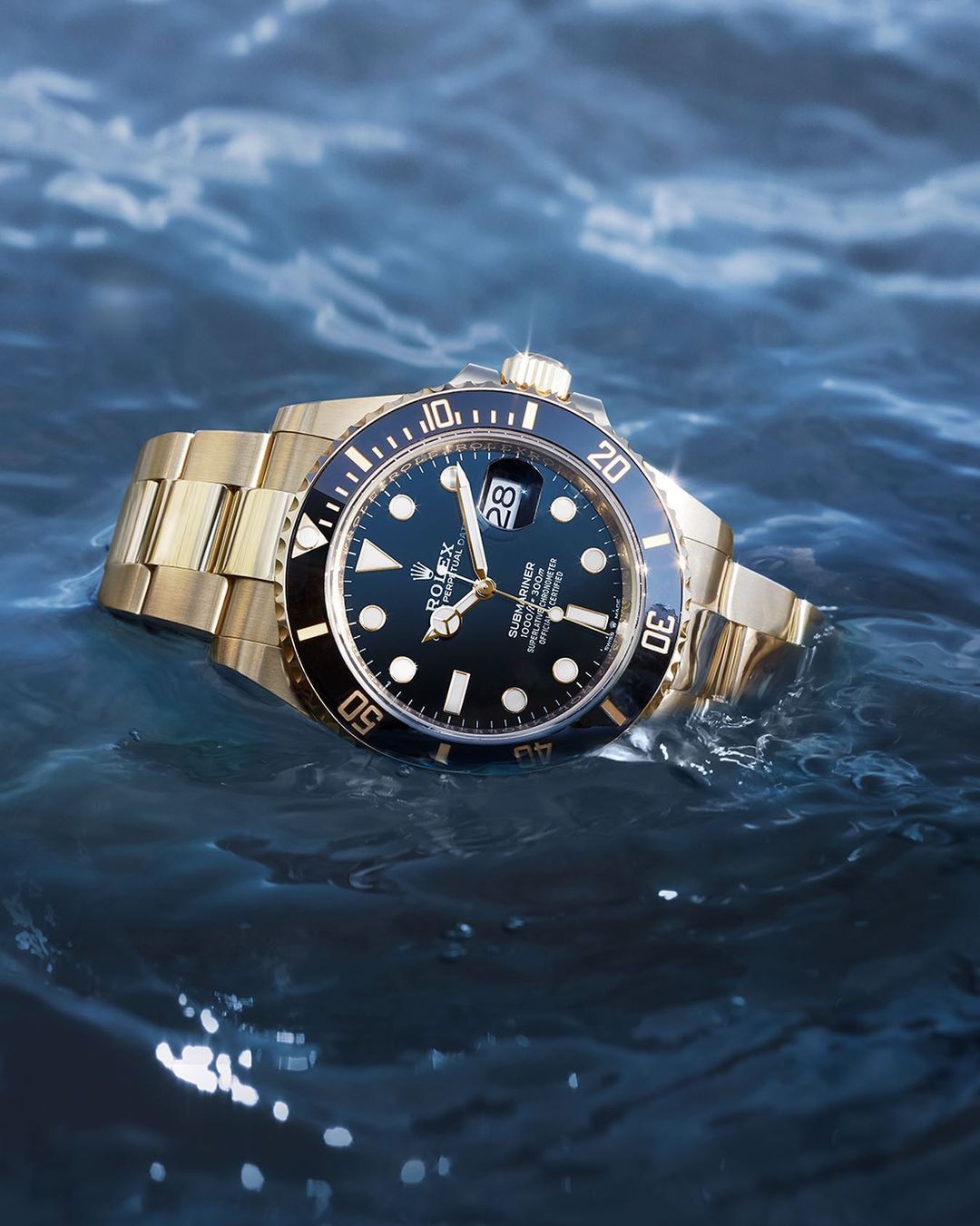
Even with this level of control Rolex can’t lower the cost of raw gold. On a solid gold six-digit Rolex — the newer, beefier generations — the metal is most of the bill, which is why this increase skipped steel entirely and fell on gold alone. When the underlying metal nearly doubles in two years, the watches built out of it have to follow, while the steel pieces simply don't carry that exposure.
None of this seems to be slowing down buyers of the pieces they actually want. If you’re in the market for a gold Rolex, now is a good time to look at the secondary market. As retail prices climb, secondary market prices have space to catch up (or not), particularly if there was a gap to begin with, like with the yellow gold Submariner or GMT-Master II. As always, buy what you like and what you want to wear. Don't let a retail price increase convince you that you're getting a good deal on the secondary market; do your research.
Are you eyeing a precious metal Rolex? Let us know in the comments below.


Leave a comment